
Ashy Skin on Deeper Tones: Causes and Best Humectants
Ashy skin on deeper tones usually signals dryness, dehydration, or residue. Learn the causes and the best humectants for a smoother glow.
Ashy skin on deeper tones usually is not a mystery ingredient problem or a sign that your skin is “bad.” Most often, it is visible dryness, dehydration, product residue, over-cleansing, or a routine that adds water but does not hold it in. The most helpful humectants are glycerin, hyaluronic acid, urea, panthenol, aloe, and sodium PCA—especially when they are paired with emollients and a good moisturizer. For melanin-rich skin, the goal is not to change your tone, but to support a smoother, more even-looking surface so your natural radiance shows up clearly.
Why ashiness shows up more visibly on deeper skin tones
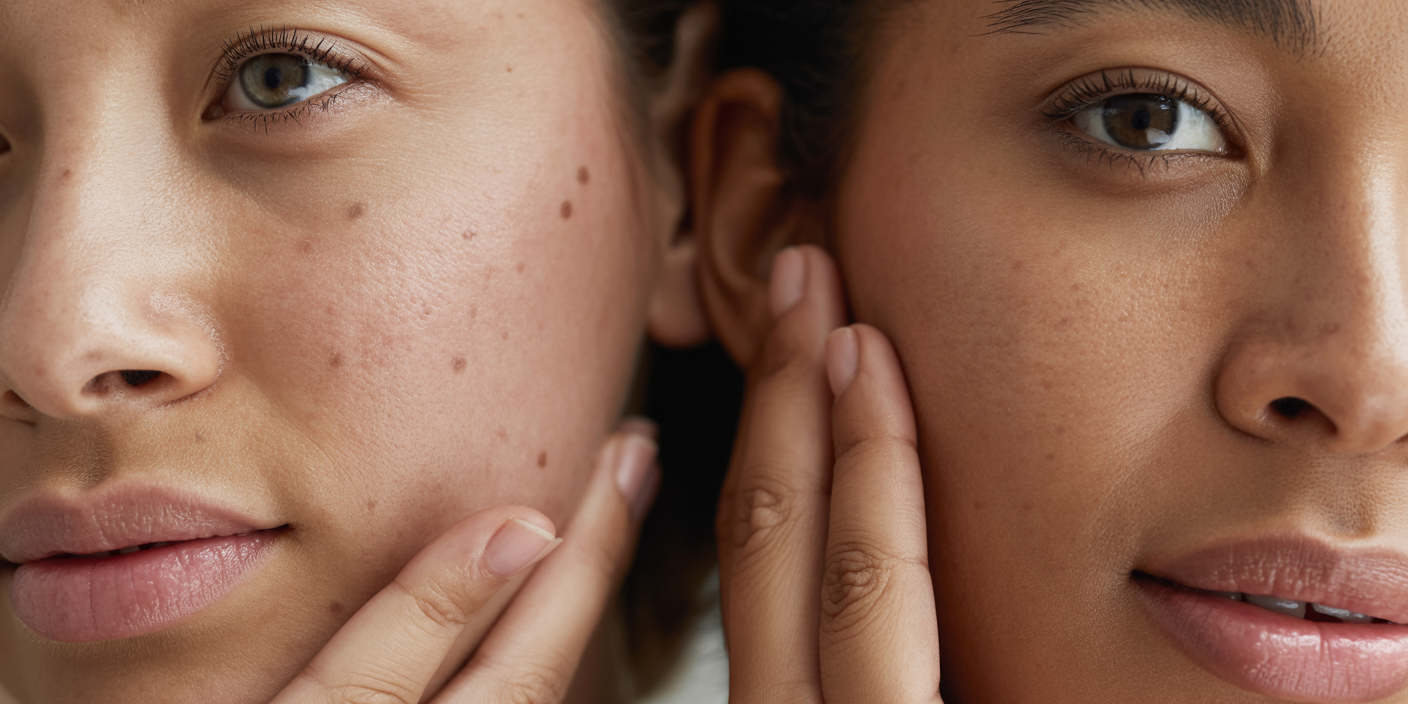
Ashiness is the light, gray, or chalky cast that can appear when skin is dry or when product sits unevenly on the surface. It can happen on every shade, but it is often more noticeable on deeper complexions because dryness changes the way light reflects off the skin. Instead of a smooth, hydrated surface that looks naturally luminous, dry skin can scatter light and create a dusty-looking finish.
This is exactly why melanin-aware skincare matters. Skin concerns do not look identical across Fitzpatrick I-VI or Monk 1-10. A routine that seems “fine” under generic advice may still leave a visible cast, tightness, or uneven finish on deeper tones. GlowLog approaches this with Melanin-Aware AI Beauty, designed to read skin changes with more context across every shade.
The most common causes of ashy skin
1. Dryness and low water content
Dry skin lacks enough oil and moisturizing factors to keep the surface comfortable and flexible. Dehydrated skin lacks water. You can have one or both at the same time. In either case, the top layer of skin can look dull, rough, and visibly ashy.
2. Cleansing that strips too much
If your cleanser leaves your face feeling squeaky, tight, or “extra clean,” it may be removing too much of your natural barrier support. That can make ashiness more obvious by midday, even if your routine starts strong in the morning.
3. Not sealing in humectants
Humectants pull water into the outer layer of skin, but they work best when followed by a moisturizer that helps reduce water loss. Using a hydrating serum alone may feel nice at first, then dry down without enough support.
4. Product residue or white-cast formulas
Sometimes what looks like dryness is partly formula finish. Some sunscreens, powders, clay masks, or rich creams can leave a visible cast if they are not blended well or are not designed with deeper skin tones in mind. If makeup is involved, a poor shade or undertone match can amplify the effect; this is where a tool like Foundation Match can help you assess depth, undertone, and flashback risk more accurately.
5. Over-exfoliation
Exfoliating too often can leave skin looking smoother for a day, then tight, flaky, and irritated after. On deeper skin tones, that stressed-out look may show up as both ashiness and unevenness. More exfoliation is not always more glow.
A useful reframe
Ashiness is information, not a flaw. It usually means your skin needs more balanced hydration, barrier support, or a better product finish—not harsher products.
What humectants actually do
Humectants are ingredients that attract and hold water in the upper layers of skin. Think of them as water magnets. They do not replace moisturizer completely, but they make hydration more available where skin needs it most.
They are especially helpful if your skin feels tight after cleansing, looks dull a few hours into the day, or seems smoother right after applying products but dry again later. If you are not sure what is inside your routine, a Skincare Ingredient Checker can help you quickly spot whether your products contain hydrating ingredients, barrier-supportive ingredients, or potential irritants.
The best humectants for ashy, dry-looking skin
Glycerin
One of the most reliable, underrated humectants. It helps draw water into the skin and is often better tolerated than trendier ingredients. You will find it in cleansers, toners, serums, and moisturizers. If your skin gets ashy easily, glycerin is a great ingredient to prioritize.
Hyaluronic acid
This ingredient can help skin feel plumper and more comfortable, especially in a well-formulated serum or cream. It works best when applied to slightly damp skin and followed with moisturizer. It is useful, but it is not the only hydrating ingredient that matters.
Urea
At lower cosmetic concentrations, urea is a strong humectant that also helps soften rough texture. It can be especially helpful on flaky areas around the mouth, cheeks, or body. If your skin feels both rough and dry, urea is worth knowing.
Panthenol
Also called provitamin B5, panthenol helps support hydration and skin comfort. It is common in soothing serums and creams and pairs well with glycerin and ceramides.
Sodium PCA
This is part of the skin’s natural moisturizing factors and helps hold water in the skin. It is often included in lightweight hydrating formulas that do not feel greasy.
Aloe vera
Aloe can add a soothing, hydrating layer, especially in gel-cream textures. It is rarely enough on its own for very dry skin, but it can be a helpful supporting humectant.
How to use humectants so they actually help
Start with gentle cleansing.
Use a cleanser that removes sweat, sunscreen, and makeup without leaving your skin tight. If your face feels stripped right after washing, your routine is starting from a deficit.
Apply hydrating products to slightly damp skin.
This gives humectants water to work with. You do not need your face dripping wet—just not fully dried down.
Seal with a moisturizer.
Look for creams or lotions with both humectants and emollients. This helps skin stay comfortable longer and reduces the return of that chalky, dry finish.
Use sunscreen with a finish that works on your tone.
If your SPF leaves a cast, it can mimic ashiness even when your skin is well moisturized. Formula elegance matters.
Ingredients that support humectants
Humectants work even better in a full formula that also contains emollients and barrier-supportive ingredients. Look for:
- Ceramides to support the skin barrier
- Squalane for lightweight softness
- Fatty acids and cholesterol for barrier comfort
- Shea butter if your skin likes richer creams
- Dimethicone for a smoother finish and reduced water loss
If you like tracking what actually improves your skin week to week, Glow Reports can help turn surface-level observations into a more useful routine plan. That kind of tracking is especially helpful when you are comparing texture, dryness, and overall Glow Score across seasons, travel, or product changes.
A simple routine for reducing ashiness
Morning
- Gentle cleanser or rinse with water
- Hydrating serum with glycerin, hyaluronic acid, or panthenol
- Moisturizer
- Sunscreen with a no-cast or low-cast finish
Evening
- Gentle cleanser
- Hydrating layer on damp skin
- Moisturizer, or a richer cream on dry areas
If your skin tends to look more dehydrated before photos, weddings, or travel days, Event Prep Mode can help you plan a short, realistic lead-up instead of changing everything at once.
When ashiness might be your products, not your skin
If your skin feels comfortable but still looks gray or dull after application, check the finish of what you are using. Common culprits include:
- Sunscreens with mineral filters that are not well-tinted or well-sheered
- Powders that are too light or too matte
- Clay-heavy masks used too often
- Heavy creams that pill or sit on the surface
This is where skin analysis and makeup analysis can work together. A selfie review through AI Skin Analysis can help you notice patterns in dryness and texture, while the AI Makeup Checker can reveal whether the issue is actually product finish, flashback, or undertone imbalance rather than hydration alone.
What progress should look like
You do not need to chase “glass skin” to know your routine is working. Better signs include:
- Less tightness after cleansing
- Makeup sitting more smoothly
- Less visible flaking around the mouth or cheeks
- A more even, naturally radiant finish by midday
- Fewer moments where skin looks dusty or chalky in photos
If you want a bigger picture view of how your skincare, makeup, and routine choices work together, the AI Beauty Studio connects those signals in one place. It is a practical way to build consistency without guessing.
Final takeaway
Ashy skin on deeper tones is usually about hydration, barrier support, and formula finish—not something you need to scrub away. Start with a gentle cleanser, add proven humectants like glycerin or hyaluronic acid, seal them in with moisturizer, and pay attention to products that leave residue or cast. Across Fitzpatrick I-VI and Monk 1-10, the goal is the same: support skin so it looks comfortable, healthy, and true to you. For more routine guidance and ingredient explainers, you can always explore the GlowLog Blog or compare options on View Plans.
GlowLog provides educational beauty and skincare insights and tracking support. It does not provide medical advice, diagnosis, or treatment. Always consult a qualified dermatologist or healthcare professional for medical concerns. Individual results may vary.
See your skin’s story clearly.
Track hydration, texture, pigmentation, tone evenness, and glow over time with melanin-aware AI built for every shade.