
GlowLog
Explainer

How Does AI Skin Analysis Work?

Quick answer

AI skin analysis works in four steps: you take a selfie, computer-vision models detect skin signals such as texture, tone, hydration, pores, and dark spots, the app converts those signals into a structured reading (often a glow score with notes), and it saves the reading to a private timeline so future check-ins can be compared. The result is a trend you can act on, not a one-time verdict. In GlowLog, every step is calibrated to stay accurate across all skin tones.

Selfie-based Computer vision Trend tracking Every skin tone

Step 1 — Capture

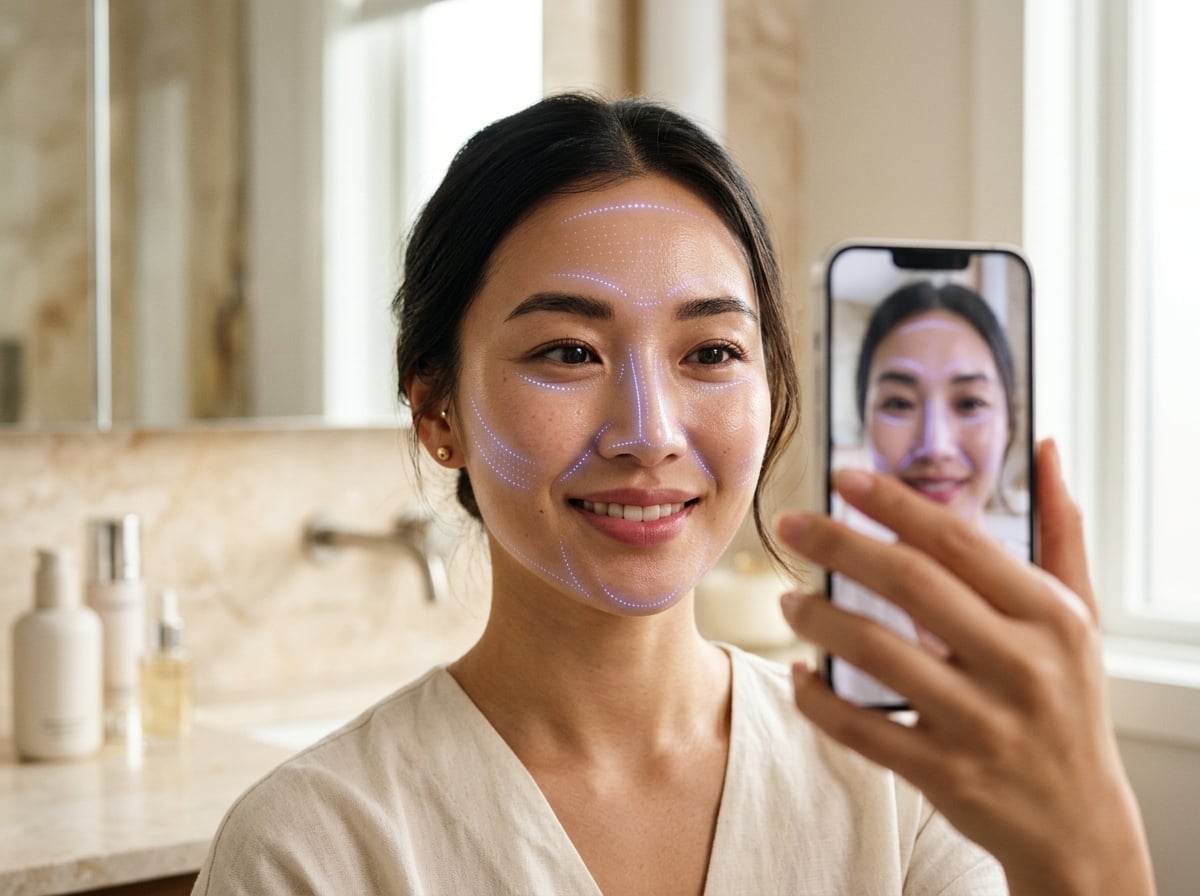
It starts with a normal smartphone selfie in reasonably even lighting. No special hardware is needed. Good, consistent lighting matters more than an expensive camera, because lighting affects how tone and texture appear. GlowLog prompts you toward neutral conditions so each check-in is comparable to the last.

Step 2 — Detection

Computer-vision models examine the image and identify skin signals: surface texture, evenness of tone, apparent hydration, visible pores, and dark spots or post-inflammatory marks. Rather than judging beauty, the models measure observable features — the same kind of signals a trained eye would note, quantified consistently.

Step 3 — Interpretation

The raw signals are translated into a structured reading: a glow score, trend indicators, and plain-language notes on what stands out. This is where good design matters — the output should be understandable and non-judgmental, framing changes as information you can use rather than flaws to fix.

Step 4 — Tracking over time

The reading is saved to a private skin history. On your next check-in, the app compares new photos to past ones and shows whether things improved, regressed, or held steady. This memory is the real value: it reveals genuine trends and lets you connect changes to products, routine tweaks, sleep, or seasons.

Keeping it fair across skin tones

Accuracy depends on the data a model learned from. If it saw mostly lighter skin, it will misread deep tones — over- or under-detecting dark spots and misjudging undertone. GlowLog is melanin-aware, calibrated across Fitzpatrick I–VI and Monk 1–10, so the analysis stays reliable for every shade rather than only some.

More questions

Related questions

Do I need special equipment for AI skin analysis?

No. A normal smartphone selfie in decent, even lighting is enough. Consistent lighting between check-ins matters more than camera quality because it keeps your readings comparable.

What can AI skin analysis actually detect?

It reads observable signals: texture, tone evenness, apparent hydration, visible pores, and dark spots or marks. It describes and tracks these over time — it does not diagnose medical skin conditions.

How accurate is it for dark skin?

That depends on calibration. GlowLog is built to be melanin-aware across Fitzpatrick I–VI and Monk 1–10, so deep and melanin-rich skin is analyzed as accurately as lighter skin.

How often should I do a skin check?

Every few days to once a week is plenty. Evenly spaced check-ins produce the cleanest trends in your glow reports.

Keep exploring GlowLog

Your glow, intelligently tracked

Join GlowLog and get melanin-aware AI beauty intelligence for your skin, makeup, and every shade.