
Fragrance in Skincare: When It Really Matters
Fragrance in skincare is not automatically bad. Learn when it matters, how to spot it on labels, and how to choose products for your skin goals.
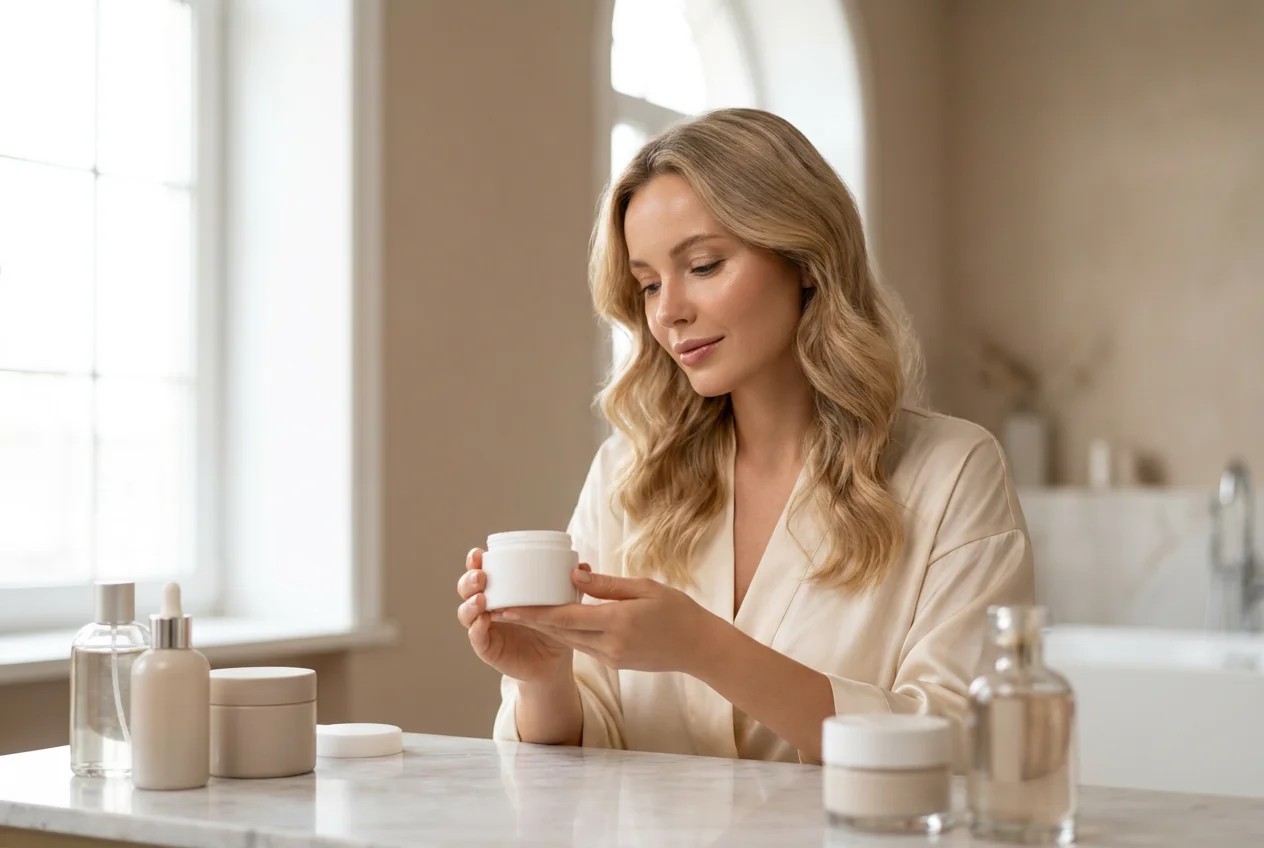
Fragrance in skincare is not automatically harmful, but it can matter if your skin is easily reactive, your barrier feels stressed, or you are trying to keep a routine simple and predictable. The useful rule: fragrance is a preference ingredient, not a performance ingredient. If you enjoy it and your skin stays calm, it may be fine. If your skin is easily triggered, choosing fragrance-free formulas can make it easier to track what is actually helping.
Why fragrance gets so much attention
Fragrance shows up in skincare because it changes the user experience. A cleanser can smell fresh, a moisturizer can feel more luxurious, and a serum can seem more "active" even when scent has nothing to do with results. That is why fragrance can be confusing: it affects how a product feels to use, but it usually does not improve hydration, brightening, acne care, or dark-spot support.
For many people, that distinction is enough. If an ingredient is optional, it makes sense to ask whether it earns its place in your routine. This is especially true if you are already tracking skin changes with tools like AI Skin Analysis or reviewing weekly Glow Reports, where a simpler routine can make cause-and-effect easier to spot.
What “fragrance” means on an ingredient label
On a label, fragrance may appear as fragrance, parfum, or aroma. It can represent a blend of many scent ingredients rather than one single material. That is one reason labels can feel vague: you may see one word, but it may stand in for a complex mixture.
Fragrance can come from:
- Synthetic fragrance compounds used to create a consistent scent profile
- Natural fragrance materials like essential oils or botanical aromatic extracts
- Masking fragrance added in small amounts to cover the base smell of raw ingredients
Important point: “natural” does not automatically mean gentler, and “synthetic” does not automatically mean harsher. Skin responds to the actual formula, the amount used, and your own tolerance—not the marketing language alone. If you want more help making sense of labels, our Skincare Ingredient Checker and broader Ingredient Insights can help translate ingredient lists into plain language.
When fragrance matters most
If your skin is reactive or your barrier feels stressed
If your skin often stings, flushes, or feels tight after cleansing, fragrance may be one of several things worth minimizing. This does not mean fragrance is always the cause. It means that when skin is already sending signals, reducing optional extras can make routines easier to tolerate and easier to evaluate.
If you are using strong actives
If your routine already includes retinoids, exfoliating acids, benzoyl peroxide, or high-strength vitamin C, adding heavily fragranced products may increase the chance that skin feels overloaded. Again, this is not universal. But when your routine is doing a lot, a low-drama moisturizer or cleanser can be helpful.
If you are trying to fade visible post-breakout marks
For people focused on tone evenness, especially on deeper skin tones where irritation can sometimes make discoloration linger longer, calm and consistency matter. A melanin-aware approach often means paying attention not only to what a product promises, but also to whether it keeps your skin steady enough to use regularly. GlowLog’s approach to Melanin-Aware AI Beauty is built around that kind of context, recognizing that every shade can show irritation and pigmentation changes differently across Fitzpatrick I-VI and Monk 1-10.
If fragrance is simply not important to you
Sometimes the answer is practical: if scent adds no benefit for you, fragrance-free products can reduce one variable in your routine. That can be especially useful if you are testing a new serum or trying to improve your Glow Score through more consistent habits rather than more complicated shopping.
When fragrance may matter less
If your skin is generally resilient, your routine is stable, and you genuinely enjoy a lightly scented cleanser or body lotion, fragrance may be a non-issue. Many people use fragranced skincare without problems. The goal is not fear; it is awareness.
A good question to ask is: Does this product work well enough that I would still use it if it had no scent? If yes, fragrance may just be a pleasant extra. If no, the fragrance may be doing more of the selling than the formula itself.
How to read the label without overcomplicating it
Look for the words fragrance, parfum, or aroma.
Check for essential oils and aromatic plant extracts.
Notice where they appear on the list.
Read the product type in context.
Watch your own pattern.
Fragrance-free vs unscented
Fragrance-free generally means no fragrance was added for scent. Unscented can still include masking ingredients to neutralize odor. If you are trying to minimize scent ingredients, fragrance-free is usually the clearer term to look for.
Common myths about fragrance in skincare
Myth: All fragrance is bad
Not true. Some people tolerate fragranced products just fine. The better takeaway is that fragrance is optional and can be worth minimizing if your skin is easily irritated.
Myth: Natural fragrance is always safer
Also not true. Essential oils and fragrant botanical extracts can be enjoyable, but “natural” does not guarantee a calm experience for every skin type.
Myth: If a product smells nice, it must be higher quality
Scent can make a formula feel premium, but effectiveness depends on ingredients, formulation, concentration, stability, and fit with your routine—not on perfume.
A practical way to decide if fragrance belongs in your routine
Try this filter:
Keep it
Swap it
Pause it
If you already use GlowLog tools, this is where your routine data becomes useful. Weekly check-ins through the AI Beauty Studio can help you compare how your skin looks and feels after simplifying variables. If a fragranced moisturizer coincides with no issues, great. If removing it makes your routine steadier, that is useful information too.
Fragrance, tone tracking, and melanin-aware skincare
Inclusive skincare advice should work across Fitzpatrick I-VI and Monk 1-10, not assume one “standard” skin presentation. On lighter and deeper skin tones alike, irritation can show up as dryness, roughness, warmth, or texture changes. On some deeper tones, visible redness may be less obvious, which is why pattern tracking matters. A melanin-aware lens looks beyond one narrow visual cue and focuses on the full picture.
That matters if you are also using complexion products. If your skin is calmer, makeup often sits better too. For users checking overall harmony between skincare and makeup, tools like Foundation Match and the AI Makeup Checker can complement skincare tracking by showing whether improved skin comfort is translating into smoother wear and more even-looking finish.
Simple shopping guidelines
If you want to be selective without becoming overwhelmed, use these rules of thumb:
- Choose fragrance-free leave-on products first if your skin is sensitive or you are using actives.
- Be more flexible with wash-off products if your skin tolerates them well.
- Do not assume “botanical” means low-risk for reactivity.
- When testing a new routine, change one main variable at a time.
- Use tracking, not guesswork, to decide what stays.
If you are building toward a wedding, vacation, shoot, or special night out, this kind of simplicity is especially helpful. A stable routine usually beats a dramatic one, which is why GlowLog’s Event Prep Mode focuses on consistency and timing rather than chasing quick fixes.
The bottom line
Fragrance in skincare matters most when your skin is reactive, your routine is already intense, or you want cleaner data on what is helping. It matters less when your skin is comfortable and the product performs well for you. The smartest approach is not avoiding fragrance out of fear—it is understanding that it is optional, reading labels clearly, and choosing formulas that support your goals with less confusion. That is good skincare logic for every shade.
GlowLog provides educational beauty and skincare insights and tracking support. It does not provide medical advice, diagnosis, or treatment. Always consult a qualified dermatologist or healthcare professional for medical concerns. Individual results may vary.
See your skin’s story clearly.
Track hydration, texture, pigmentation, tone evenness, and glow over time with melanin-aware AI built for every shade.