
Gentle Retinoid Starts for Deeper Skin Tones
Retinol, retinal, or bakuchiol? Learn the gentlest way to start for deeper skin tones while protecting your barrier and tracking progress.

If you have deeper skin tones and want smoother texture, more even-looking tone, or support for post-blemish marks, the best beginner choice is usually the one you can use consistently without irritation. For many people, that means starting low and slow with retinol or trying bakuchiol first if your skin is easily reactive. Retinal can work faster, but it may feel stronger. On melanin-rich skin, avoiding unnecessary inflammation matters because irritation can make discoloration more noticeable.
Why this choice matters more on deeper skin tones
Retinoids are well-known for supporting cell turnover and improving the look of uneven texture, fine lines, and lingering marks. But on melanated skin, the goal is not to “push through” dryness or peeling. The goal is steady progress with as little irritation as possible. When skin gets inflamed, it can respond with visible post-inflammatory hyperpigmentation, which is why a melanin-aware approach matters.
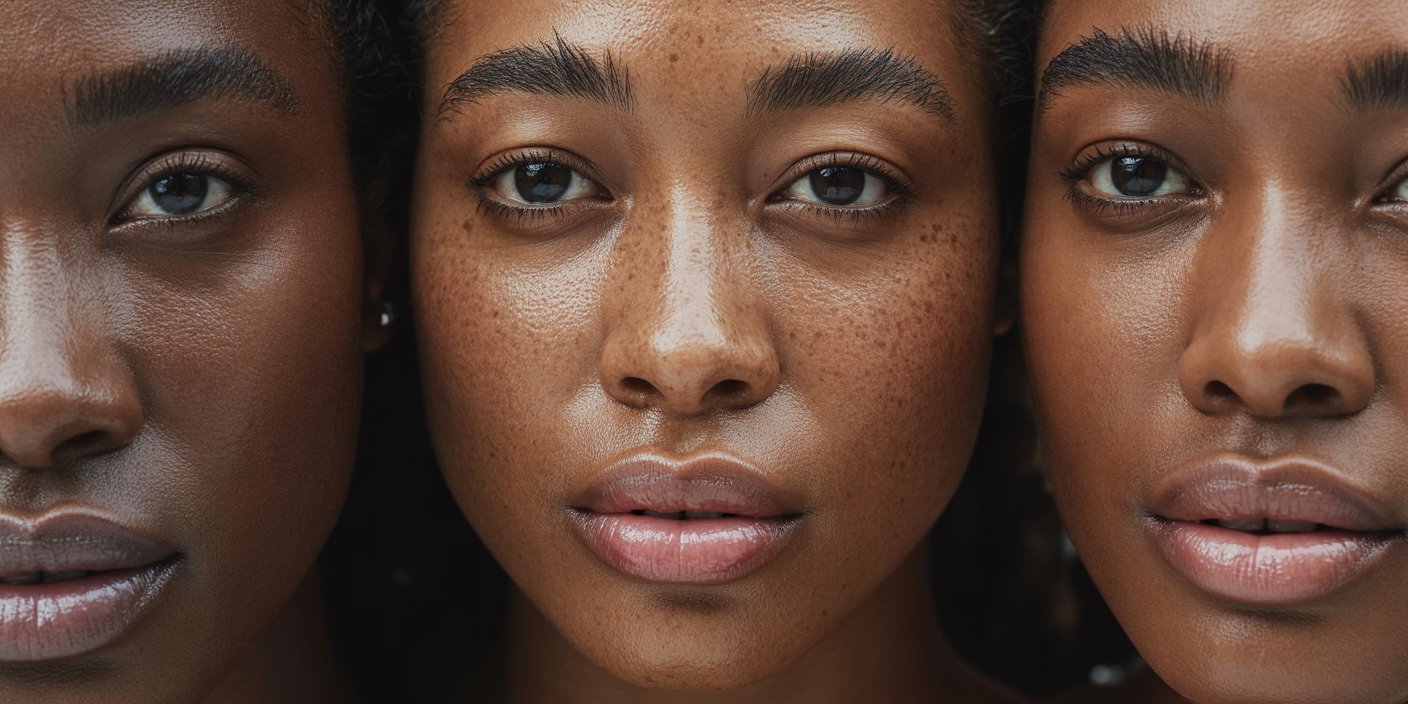
That is also why tone calibration matters in beauty tech and skincare tracking. Skin can show irritation, redness, dryness, or dark marks differently across Fitzpatrick I-VI and Monk 1-10. A melanin-aware system built with Melanin-Aware AI Beauty principles can help surface changes more accurately across every shade, instead of treating lighter skin as the default reference point.
Retinol, retinal, and bakuchiol: the plain-language difference
Retinol
Retinol is a vitamin A derivative and one of the most common entry points into retinoid skincare. Your skin has to convert it into the active form, so it tends to be gentler than prescription-strength options. That slower conversion is exactly why many beginners do well with it.
- Best for: first-time users, cautious starters, people building consistency
- What to expect: gradual improvements over weeks to months
- Watch for: dryness, tightness, flaking if used too often too soon
Retinal
Retinal, sometimes labeled retinaldehyde, is one conversion step closer to the active form than retinol. In practice, that often means it can deliver results more efficiently, but it may also feel stronger.
- Best for: users who want a more active option and already tolerate stronger products reasonably well
- What to expect: potentially faster visible changes than retinol
- Watch for: barrier stress if you start too frequently
Bakuchiol
Bakuchiol is not a retinoid, but it is often compared with retinol because it can support smoother-looking skin and a more refined overall appearance. Some people prefer it because it tends to feel gentler and easier to fit into a beginner routine.
- Best for: very sensitive skin, retinoid-hesitant beginners, minimalist routines
- What to expect: a gentler experience, though often with subtler or slower results
- Watch for: assuming “natural” automatically means better; gentle still depends on the full formula
Quick takeaway
If your skin is easily irritated, bakuchiol or a low-strength retinol is usually the easiest place to begin. If your skin is resilient and you want a stronger over-the-counter option, retinal may be worth considering carefully.
Which one is best for deeper skin tones?
There is no single best ingredient for all melanated skin. The better question is: which option gives you visible progress with the least irritation? For many people with Fitzpatrick IV-VI or Monk 6-10 complexions, that answer is a low-strength retinol used sparingly at first. If your skin frequently reacts to new products, bakuchiol may be the gentler start. If you already use acids, vitamin C, or exfoliants comfortably and your barrier feels strong, retinal could be a reasonable step-up option.
What matters most is barrier-first pacing. If you are unsure how your current products interact, a tool like the Skincare Ingredient Checker can help you spot formulas that may be too intense when layered together.
How to choose based on your skin goals
If your main concern is post-blemish marks
Retinol or retinal may help improve the look of uneven tone over time, but irritation can make visible marks hang around longer. If dark spots are your focus, choose the gentlest version you can stick with consistently.
If your main concern is texture
Retinal may appeal if you want a more active option for roughness or uneven surface texture. Still, texture improvement is not helpful if your barrier becomes dry and uncomfortable, so start conservatively.
If your skin gets irritated easily
Bakuchiol is often the more comfortable start. You can also look for formulas with barrier-supportive ingredients such as glycerin, ceramides, or niacinamide. If you want extra help understanding formula design, browse Ingredient Insights to compare what different products are actually doing.
How to start without overdoing it
Pick one active.
Use it at night.
Start 1-2 nights per week.
Buffer if needed.
Moisturize well.
Wear sunscreen daily.
If you want a more structured way to watch how your skin responds, Glow Reports can help you turn weekly changes into a clearer action plan instead of guessing from memory. That can be especially helpful when tracking texture, visible dryness, or the look of dark marks over time.
Common mistakes that lead to irritation
Starting too high, too soon
A stronger percentage is not automatically better for beginners.
Mixing too many actives
Retinoids plus frequent acids, scrubs, or harsh cleansers can overwhelm your barrier.
Using it every night immediately
Consistency beats intensity, especially for melanin-rich skin prone to lingering marks after irritation.
Ignoring dryness around the mouth or eyes
These areas often show stress first. Reduce frequency if skin starts feeling tight or stingy.
How to tell if your routine is working
Look for gradual, boring progress. That usually means skin feels comfortable, texture looks a little smoother, and tone appears more even over time. Dramatic peeling is not a requirement. In fact, for many people it is a sign to slow down.
Photos can help, but only if the lighting is consistent. If you want a more standardized way to track visible changes, the AI Skin Analysis experience inside GlowLog can help monitor patterns like dryness, texture, and overall Glow Score in a way designed to be useful across every shade. And if skincare changes connect to makeup wear, the AI Makeup Checker and Foundation Match tools can help you see whether dryness or flaking is affecting finish, undertone harmony, or flashback in photos.
A simple beginner routine for deeper skin tones
Morning
- Gentle cleanser or rinse
- Moisturizer if needed
- Sunscreen
Night on non-active days
- Gentle cleanser
- Moisturizer
Night on active days
- Gentle cleanser
- Retinol, retinal, or bakuchiol
- Moisturizer
If you are preparing for a photoshoot, wedding, trip, or another big date, avoid experimenting at the last minute. Use Event Prep Mode to keep your routine steady and reduce the temptation to pile on strong new products right before you want your skin to look its most settled.
The bottom line
For deeper skin tones, the gentlest effective starting point often wins. Low-strength retinol is a strong beginner default, bakuchiol is a great option for reactive skin, and retinal can suit people who want a more active over-the-counter step and know their skin tolerates stronger formulas. However you start, think melanin-aware: protect the barrier, go slowly, and track change as information, not as a flaw. If you want personalized support across skincare, makeup, and progress tracking, you can explore the AI Beauty Studio or View Plans to see what fits your routine.
GlowLog provides educational beauty and skincare insights and tracking support. It does not provide medical advice, diagnosis, or treatment. Always consult a qualified dermatologist or healthcare professional for medical concerns. Individual results may vary.
See your skin’s story clearly.
Track hydration, texture, pigmentation, tone evenness, and glow over time with melanin-aware AI built for every shade.