The GlowLog Alternative to Unotone
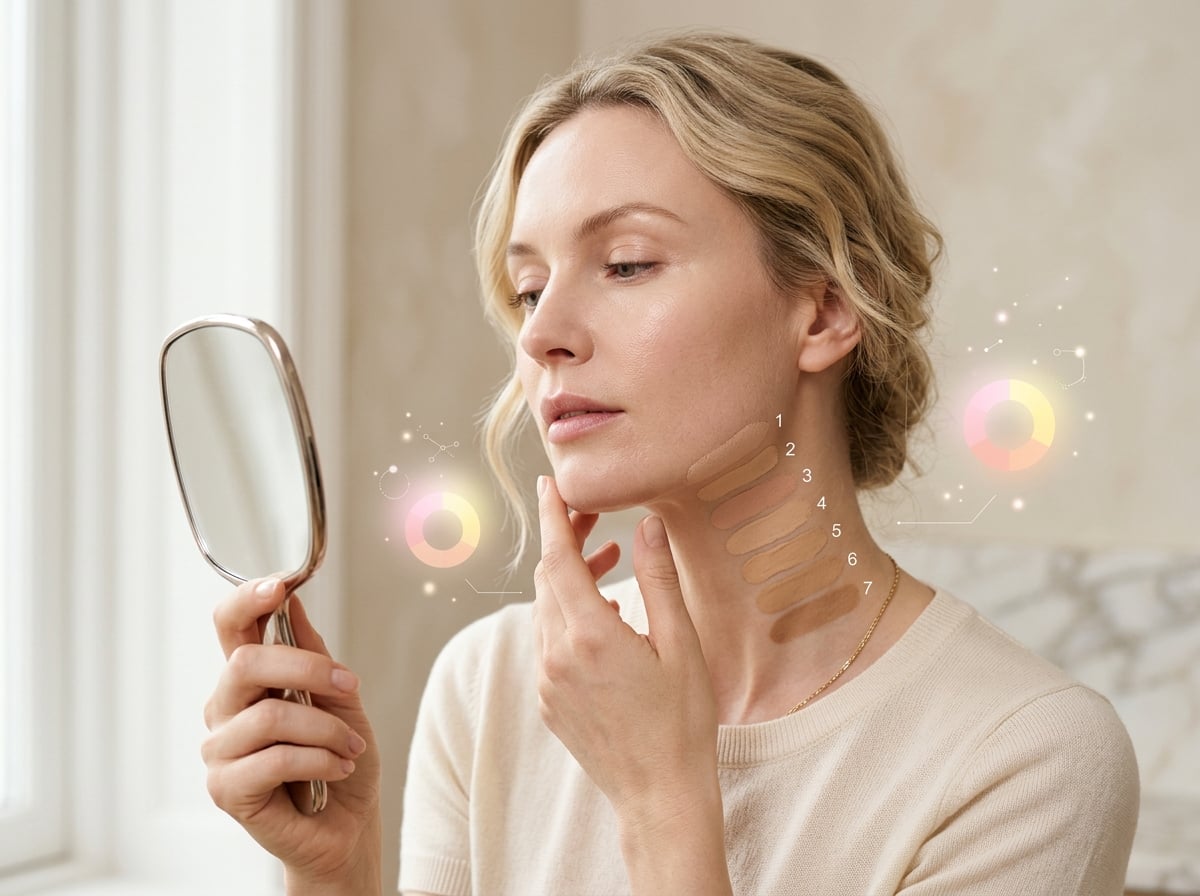
Unotone is an AI foundation-matching app: you take or upload a photo, select a patch of skin, and it estimates your tone and suggests matching foundations from a brand database. It is a helpful idea, and many people reach for it to shortcut the shade hunt. Where users most often want more is accuracy on the edges of the tonal range — very light, deep, and especially olive skin — and precision when picking the skin patch. GlowLog is built around exactly those hard cases. It analyzes your real skin from a selfie and is explicitly calibrated for deep and melanin-rich skin across Fitzpatrick I–VI and Monk 1–10, with warm, cool, neutral, and olive undertone awareness so guidance does not skew too dark, too light, or too warm. GlowLog also goes beyond a single match: it flags flashback and oxidation risk, checks product ingredients across 28,000+ entries, and tracks your skin over time. If you want a foundation matcher that takes deep and olive skin seriously and connects matching to your whole routine, GlowLog is a strong alternative.
Choosing between GlowLog and Unotone
Accuracy at the edges
Foundation matchers are hardest on very light, very deep, and olive skin. GlowLog is calibrated across Fitzpatrick I–VI and Monk 1–10 specifically so guidance stays fair on those complexions rather than defaulting to the middle of the range.
Undertone, not just depth
A match can be the right darkness but the wrong undertone — going orange, grey, or pink. GlowLog reads warm, cool, neutral, and olive undertones so the recommendation suits your skin, not just its lightness.
One match vs full routine
GlowLog adds flashback-risk awareness, ingredient conflict checks, and progress tracking, so foundation matching is part of understanding your skin rather than a one-off suggestion.
Guidance you can trust
GlowLog always recommends swatch-testing in daylight and is transparent that AI shade estimates are a starting point, not a guarantee — especially important for hard-to-match tones.
GlowLog vs. typical tools
The capabilities that separate a genuinely useful tool from a quick novelty.
| Capability | GlowLog | Typical tools |
|---|---|---|
| Core approach | AI skin analysis from a selfie + undertone-aware shade guidance | Photo patch selection + AI tone estimate and shade suggestions |
| Calibrated for deep / melanin-rich skin | Yes — explicitly across Fitzpatrick I–VI & Monk 1–10 | Accuracy can drift on very deep tones |
| Olive & neutral undertone handling | Warm, cool, neutral, and olive-aware | Olive and light tones are a common pain point |
| Flashback / oxidation awareness | Yes — flags likely flashback and oxidation | Not typically included |
| Ingredient intelligence | 28,000+ ingredient conflict checks | Not offered |
| Progress tracking over time | Private skin history timeline with trends | Usually not a focus |
| Brand coverage | Brand-neutral — drugstore to luxury | Database can skew to higher-end brands |
| Transparency about limits | Recommends daylight swatch-testing; estimates are a starting point | Varies |
| Cost | Free to start | Free / freemium |
Categories of tools, compared
Each type of app is good at something. Here is what each does best — and where GlowLog fits.
GlowLog
Best all-in-oneAI beauty analysis & shade guidanceA private AI beauty studio that analyzes your real skin and gives undertone-aware foundation guidance — calibrated for deep, rich, and olive skin, with ingredient checks and progress tracking built in.
Best for: People with deep, rich, or olive skin who find generic matchers run too dark, too light, or too warm.
Unotone
AI foundation-matching appA mobile app that estimates your skin tone from a photo patch and suggests matching foundations from a brand database.
Best for: People who want a fast, photo-based shade suggestion and are in the mid-tonal range.
Frequently asked questions
What is the best Unotone alternative?
If you want a foundation matcher that is calibrated for deep, rich, and olive skin — the tones generic matchers most often get wrong — GlowLog is a strong alternative. It analyzes your real skin, reads undertone as well as depth, flags flashback risk, and adds ingredient checks and progress tracking, all free to start.
Is GlowLog more accurate than Unotone for dark or olive skin?
GlowLog is explicitly calibrated across Fitzpatrick I–VI and Monk 1–10 with warm, cool, neutral, and olive undertone awareness, which is designed to reduce the too-dark, too-light, or too-warm results that generic matchers can produce on those tones. As with any AI matcher, GlowLog recommends swatch-testing in daylight to confirm.
Why do foundation-matching apps struggle with olive skin?
Olive skin has a neutral-to-green undertone that many algorithms miss because they were tuned around simple warm-versus-cool logic, so they often push olive complexions too warm or too yellow. GlowLog treats olive as its own undertone family rather than forcing it into warm or cool.
Can I use both apps?
You can. Some people cross-check a couple of matchers before buying. Whichever you use, take the AI result as a starting point and swatch-test in daylight — GlowLog is transparent that shade estimates should be confirmed on your skin, especially for hard-to-match tones.
Keep exploring GlowLog
See the difference for yourself
Get melanin-aware AI beauty intelligence for your skin, makeup, and every shade — all in one place.